


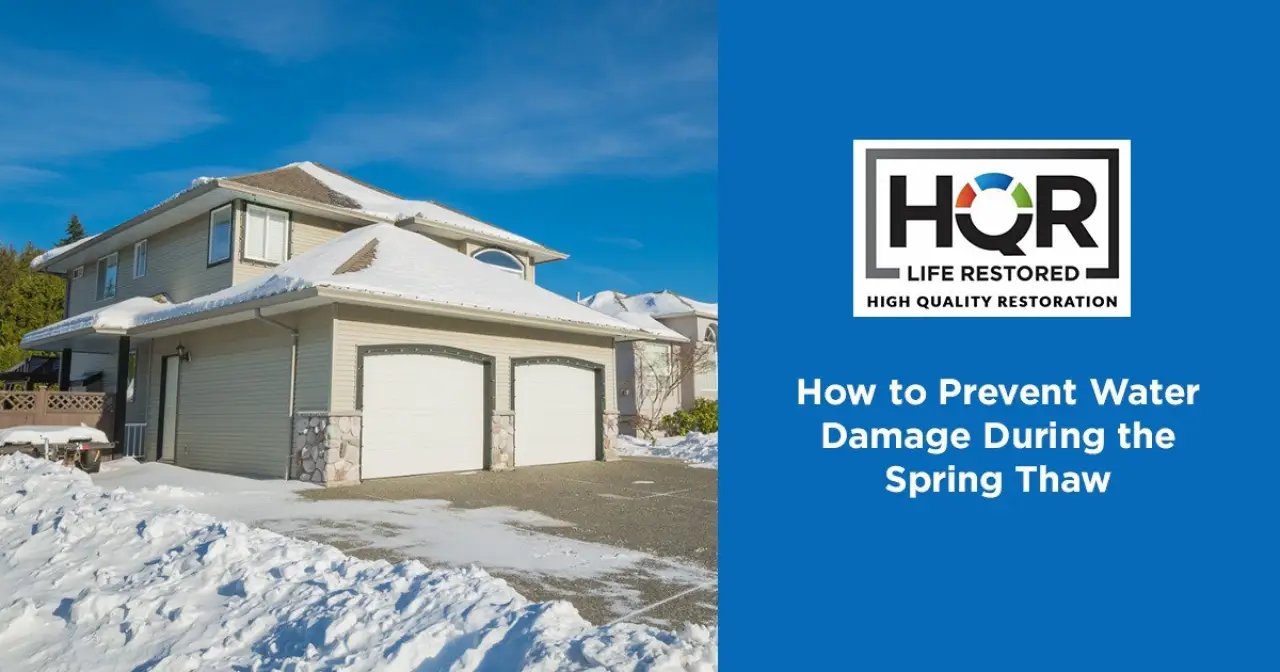
How to Prevent Water Damage During the Spring Thaw
Spring in Rochester, NY brings welcome relief from winter, but it also brings one of the most common threats homeowners face: water damage. As temperatures rise and snow begins to melt, the ground often remains frozen beneath the surface, leaving nowhere for runoff to go except into your basement, crawl space, or foundation. Understanding how to protect your home before the thaw arrives can help prevent costly repairs and major disruptions.
Why Spring Thaw Is a High-Risk Period for Water Damage
When several months of accumulated snow and ice melt rapidly, the volume of water released can overwhelm drainage systems, saturate soil, and find its way into any weak point in your home's exterior. In Western New York, where heavy snowfall is common, this risk is especially significant. Homeowners who take preventive steps early are far better positioned to avoid serious water damage issues and costly restoration work.
Steps to Protect Your Home Before and During the Thaw
Taking a few preventive steps before the spring thaw arrives can make a significant difference in protecting your home and reducing the risk of water intrusion.
Inspect and Clear Your Gutters and Downspouts
Gutters clogged with debris from fall can prevent proper drainage during the spring thaw. Clear them out and make sure downspouts direct water at least three to four feet away from your foundation. Misdirected runoff is one of the leading causes of basement water damage.
Check Your Sump Pump Now
Your sump pump is one of your first lines of defense against rising groundwater. Test it before the thaw begins by pouring water into the pit to confirm it activates properly. Consider installing a battery backup in case of power outages during heavy spring storms.
Seal Foundation Cracks
Even small cracks in your foundation walls can allow significant water intrusion under pressure. Inspect both the interior and exterior of your foundation and seal any visible gaps before melting snow and spring rain have a chance to enter.
Grade Your Yard Away from the House
The ground around your home should slope away from the foundation. If soil has settled over time, adding fill dirt to restore proper grading can help reduce the risk of water pooling near your home.
Monitor Your Basement During Thaw Events
Check your basement regularly when temperatures rise above freezing. Early signs of moisture or seepage are easier to address before the damage spreads and becomes more costly to restore.
A quick prevention checklist:
- Clean gutters and extend downspouts away from the foundation
- Test your sump pump and replace it if it's over seven years old
- Seal visible cracks in foundation walls and floors
- Re-grade landscaping to direct runoff away from your home
- Inspect window wells for standing water or ice buildup
- Check your water heater, pipes, and appliances for signs of prior leakage
What to Do If Water Damage Has Already Occurred
Prevention is always the goal, but water damage can still occur even when homeowners take every precaution. If your home experiences flooding, seepage, or unexpected moisture intrusion, acting quickly is critical. Water that remains for even 24 to 48 hours can begin causing structural damage and create conditions that allow mold to grow.
At High Quality Restoration, we provide emergency water damage restoration services throughout Rochester and Western New York, with a 45-minute response time and 24-hour availability. Our experienced team responds quickly to assess the situation, remove standing water, dry affected areas, and restore your home safely and efficiently. We also work directly with your insurance provider to help simplify the claims process and reduce stress during an already difficult situation.
Professional Water Damage Restoration When You Need It Most
If you notice signs of water damage or want peace of mind before the spring thaw begins, don't wait for the problem to get worse. Contact High Quality Restoration today. Our team is ready to respond quickly, protect your home, and guide you through every step of the restoration process.